Fintech & Payments · Posted 2024-06-01
How payments work in Thailand for foreigners
Cash, cards, and Thai QR
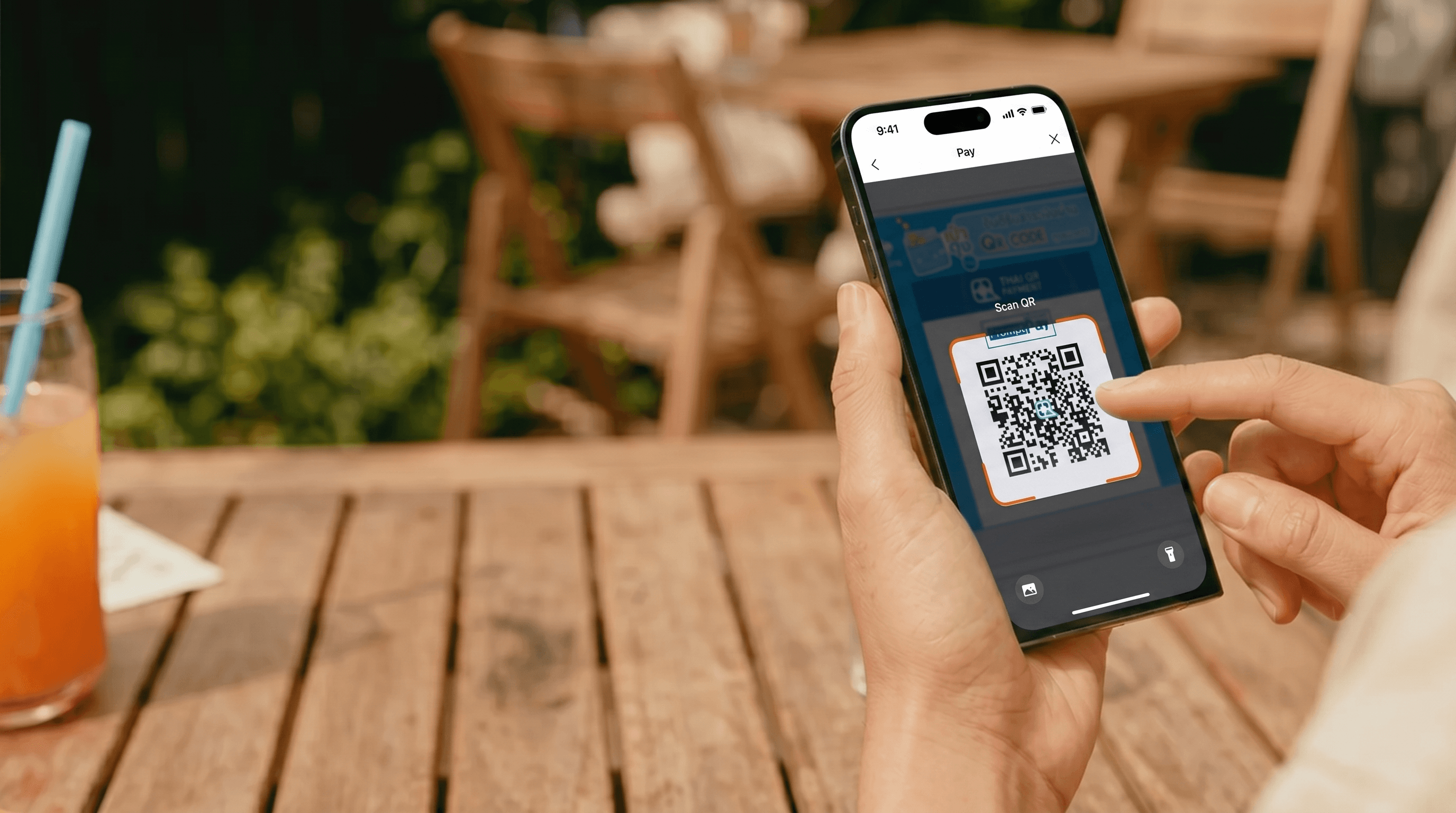
If you are planning a trip or moving to Thailand as an expat or digital nomad, figuring out the money situation before you arrive is smart. The country is moving away from cash quickly, but normal international credit cards are not accepted everywhere. On top of that, standard ATMs in mainland cities charge a flat fee of 220 THB for every single withdrawal. If you travel to the popular islands, the situation gets even worse, with some local independent machines and exchange booths holding onto up to 20% of your money in hidden dynamic conversion markups and commission fees. Here is how you can pay for everything without losing money on extra fees.
Comparing your payment options
- Cash (Thai Baht). Accepted everywhere (100% of places). The main downsides are a fixed 220 Baht fee every time you use an ATM, plus poor exchange rates at the airport. It is mostly good for street food and small purchases.
- International Cards (Visa and Mastercard). Accepted in about half of the places you will visit, like big shopping malls, hotels, and upscale restaurants. The downsides are hidden conversion fees from your home bank and minimum spend limits (usually 300 to 500 Baht) in most shops.
- Local Thai QR (PromptPay). This is accepted in 99% of local places, from night markets to neighborhood cafes. The main downside for travelers is the accessibility barrier: to use standard PromptPay, you usually need a local Thai ID and a domestic Thai bank account to register.
- One Wallet App. Accepted in the same 99% of places. The best part is that you can top up your balance using your own international Visa or Mastercard, then just pay via QR codes.
Why everyone uses Thai QR
At any night market, in taxis, or at small shops, you will see a blue QR code on the counter. This is PromptPay, the local instant payment system. Thai people rarely carry physical wallets anymore because they just scan these codes with their banking apps. In the past, tourists could not use this system. Opening a Thai bank account requires a long-term visa, a work permit, and hours of dealing with paperwork.
Solving the problem with One Wallet
You do not need to open a local bank account just to use QR payments anymore. The One Wallet app fixes this problem for foreigners. You top up your balance in the app with your regular Visa or Mastercard, and then you can scan any local Thai QR code to pay instantly. You can also use it to send money to friends or transfer funds straight to a Thai phone number.
Key takeaways for your trip
Do not use ATMs too often, otherwise you will lose 220 Baht on fees every single time. Do not rely only on plastic cards, because local vendors and markets do not accept them. Download a digital wallet like One Wallet before you arrive or as soon as you land, so you can pay by QR code just like a local.